
May 2, 2024
Factors to Consider When Choosing Trading Strategies
Picking the right trading strategy is essential for success in the financial markets. With numerous strategies available, traders must consider several factors to align their approach with their goals, risk tolerance, and market conditions. In this article, we’ll explore key factors to consider when selecting trading strategies.
Risk Tolerance
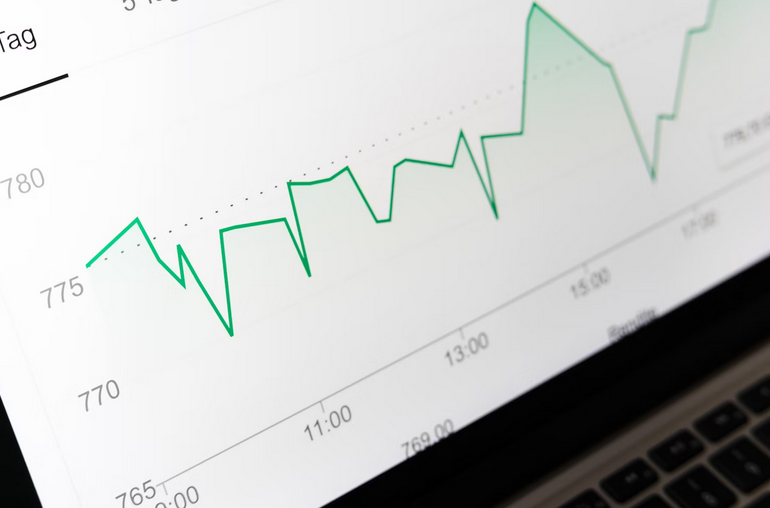
Understanding your risk tolerance is necessary when deciding on a trading plan. Risk levels vary between strategies, ranging from cautious capital preservation to aggressive return maximization. Pick a strategy based on your risk tolerance and financial goals.
Time Horizon
RSI2 Swing Trading Strategy firmly requires traders to consider time horizon when executing a plan. Are you looking to make short-term trades and capitalize on market fluctuations, or are you taking a long-term investment approach? Short-term traders may prefer strategies such as day trading or scalping, while long-term investors may opt for strategies like trend following or buy-and-hold investing.
Market Conditions
Adaptability to shifting market conditions is crucial for successful trading. Consider the current market environment, including volatility, liquidity, and prevailing trends, when selecting a strategy. Certain strategies may perform better in trending markets, while others may be more suitable for range-bound or volatile conditions. Choose a strategy that is well-suited to prevailing market conditions to make the most out of your chances.
Trading Style
Your trading style and preferences play a significant role in determining the most suitable strategy. Are you comfortable with active, hands-on trading, or do you prefer a more passive, set-and-forget approach? Consider factors such as time commitment, emotional temperament, and lifestyle preferences when selecting a strategy. Choose a strategy that complements your trading style and allows you to trade effectively based on your strengths and preferences.
Backtesting and Simulation

Before committing real capital to a trading strategy, conduct thorough backtesting and simulation to assess its performance and viability. Use historical market information to simulate trades and evaluate the strategy’s performance under different scenarios and market conditions. Pay attention to factors such as transaction costs, slippage, and market impact to ensure that your backtest accurately reflects real-world trading conditions.
Capital Requirements
Different trading strategies require varying levels of capital to execute effectively. Some strategies, such as day trading and options trading, may require substantial capital to meet margin requirements and cover potential losses. Assess your available capital and ensure that you select a strategy that meets with your financial resources and risk management capabilities.
Performance Metrics
Assess the historical performance and track record of potential trading strategies before implementation. Look for strategies with consistent profitability, low drawdowns, and favorable risk-adjusted returns over various market conditions and timeframes. Analyze performance metrics such as win rate, average return per trade, maximum drawdown, and risk-to-reward ratio to assess the viability and effectiveness of each strategy.
Choosing the appropriate trading strategy is vital for success in the financial markets. Traders may choose profitable strategies by taking into account risk tolerance, time horizon, market circumstances, trading style, capital needs, performance measures, and backtesting. To be effective in trading, alter your approach based on market dynamics and results.…
More Details Maker fees are paid to the market makers who provide liquidity by placing limit orders on both sides of an order book. Market takers do not make markets; they execute limit orders placed by these market makers at the best available price (i.e., the lowest priced sell order that will complete a buy order or vice versa).